Table of contents
Communities everywhere rely on their emergency services to ensure safety and rapid response in times of need, yet finding creative financial solutions for these vital operations remains a challenge. Exploring new funding avenues not only strengthens these essential services but can also unite the community in innovative and sustainable ways. Delve into the following paragraphs to uncover forward-thinking strategies that could transform the way your local emergency services are funded and supported.
Community-driven fundraising models
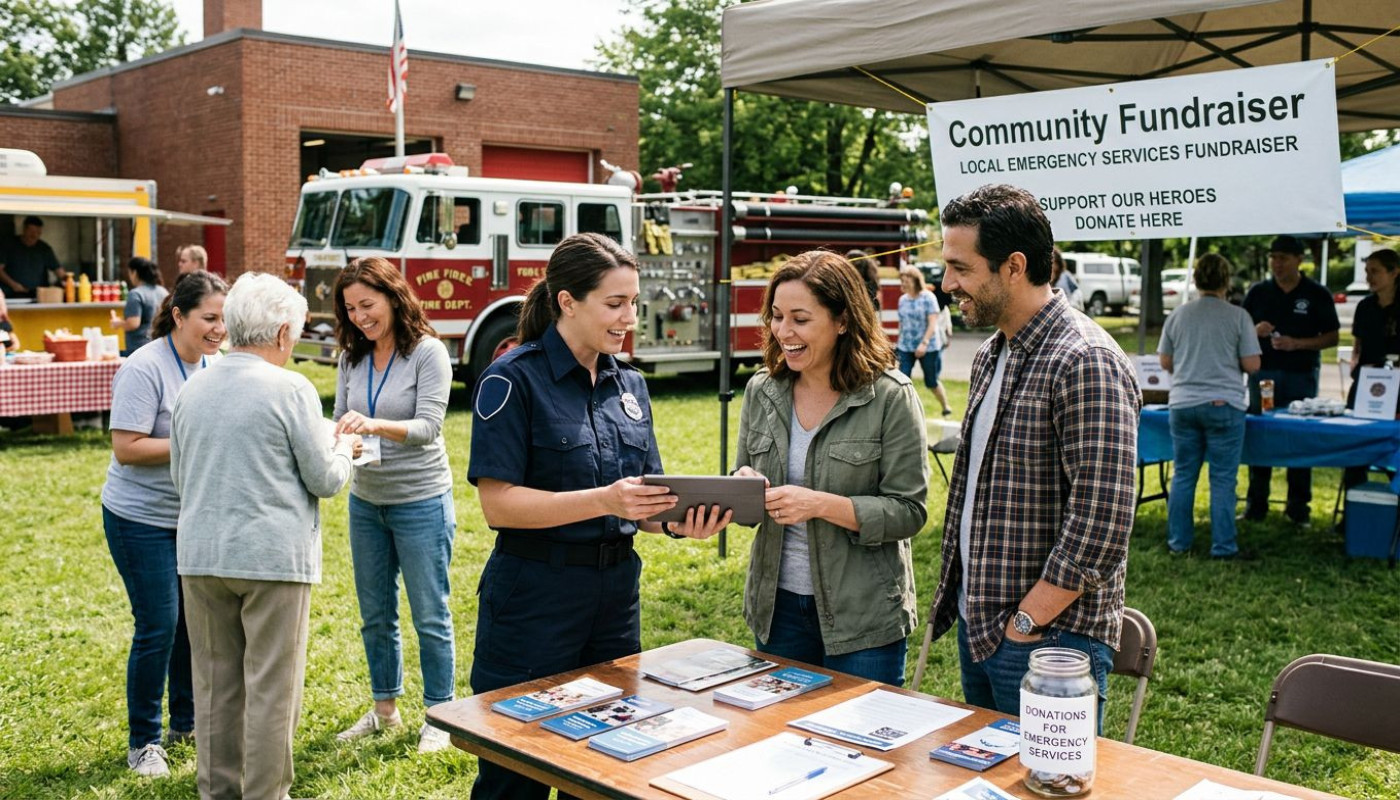
Community fundraising has taken a prominent place in the support of local emergency services, with grassroots campaigns gaining momentum across many regions. Engaging local citizens through charity events, subscription-based giving, volunteer-led initiatives, and the increasingly popular method of crowdfunding has demonstrated real benefits for public support. These approaches not only generate vital resources for first responders but also cultivate a sense of ownership among residents, making them direct contributors to their community's safety infrastructure. Crowdfunding and other grassroots campaigns provide flexibility and enable rapid response to specific needs, such as new equipment, training programs, or facility upgrades, strengthening the resilience of local emergency services while deepening the bond between public agencies and the communities they protect.
As participation in these models grows, so does awareness and understanding of the challenges faced by first responders. Community fundraising is proving to be a sustainable and adaptive solution, allowing for diverse sources of financial support while encouraging volunteerism and citizen involvement. When residents unite for a common cause, such as supporting their local emergency services, they not only help bridge funding gaps left by traditional means, but also foster a collaborative spirit that can inspire future innovation and preparedness within the community.
Public-private partnership agreements
Collaboration between government entities and the private sector through public-private partnerships offers a unique pathway to enhance emergency service funding. By establishing a memorandum of understanding, both parties can clearly define roles, responsibilities, and the scope of resource sharing. Private sector organizations often bring specialized expertise, advanced technology, and access to additional capital, which can significantly strengthen emergency response capabilities. In exchange, these companies benefit from improved community relations and potentially advantageous regulatory considerations. Such agreements enable sustainable financing by diversifying the revenue streams that support critical services without placing excessive strain on municipal budgets.
Public-private partnerships also foster innovation and adaptability, allowing emergency services to adopt best practices and leverage state-of-the-art equipment or software that might otherwise be cost-prohibitive. Through structured resource sharing and joint planning initiatives, these collaborations help ensure long-term stability for emergency service funding. Memorandums of understanding set the legal and operational framework, reducing ambiguity and building trust between stakeholders. In this way, the private sector can play a pivotal role in supporting public safety goals, contributing to robust emergency services that are well-equipped and financially secure.
Leveraging grants and matching funds
Securing emergency grants begins with thorough research into available opportunities provided by government agencies and private foundations focused on public safety enhancements. Directors and administrators must develop a well-structured grant proposal that aligns with the funder's priorities, outlines specific needs for equipment, training, or infrastructure, and clearly demonstrates the anticipated impact on local emergency services. Attention to detail in grant writing and compiling supporting data increases the likelihood of obtaining financial assistance, which is often highly competitive. Successful applicants typically track deadlines, tailor each submission to the requirements of the funding body, and maintain organized records for potential audits or follow-up requests.
Matching funds programs offer a funding innovation that amplifies the value of every community dollar contributed. When a local business or donor offers matching funds, every donation from the public is effectively doubled, making it easier to reach ambitious fundraising targets for emergency equipment or facility upgrades. This method not only incentivizes contributions but also fosters a sense of shared responsibility among stakeholders. In some cases, foundations or public entities will require evidence of such community support before releasing their own emergency grants, leveraging the power of collective effort. For additional examples of innovative funding partnerships and resources supporting emergency services, one can refer to Non GamStop Casinos, available at https://oncallfire.uk/.
Utilizing innovative tax mechanisms
Implementing alternative tax structures plays a pivotal role in securing sustainable funding for local emergency services. Emergency service taxes such as dedicated service levies or micro-taxes can be structured to target specific needs, allowing for predictable revenue generation without overwhelming residents. One approach involves establishing a special assessment district, where property owners within a defined area contribute to funding essential emergency resources based on assessed benefits. Such tax mechanisms create a direct link between the community and the quality of emergency response, fostering greater support and accountability. Exploring these alternative funding models offers several advantages, such as reducing reliance on unpredictable grants or state allocations and providing a more equitable distribution of costs. However, challenges may arise in defining fair assessment criteria and maintaining transparency in fund allocation. Community engagement and clear communication are critical to gaining public acceptance and ensuring that emergency service taxes directly enhance response capabilities and resilience. By leveraging innovative revenue generation strategies, local governments can better adapt to evolving threats and demands, strengthening the safety net for all residents.
Implementing technology-driven efficiencies
Investing in emergency services technology, such as advanced resource management software and cloud-based platforms, transforms how local emergency teams allocate assets and respond to incidents. Digital fundraising solutions further augment these innovations by broadening donor engagement, streamlining donation processes, and making it easier to demonstrate transparency to stakeholders. These technology investment strategies not only improve operational efficiency by automating routine tasks and optimizing resource allocation, but also attract new funding sources eager to support organizations at the forefront of digital transformation. As a result, local emergency services can reduce operational costs, deliver faster response times, and maintain higher standards of service delivery, while building robust partnerships with both public and private contributors through data-driven accountability.
On the same subject

A Skeptic’s Diary: Testing Casino Odds Over One Month

Unlocking The Fun: How Jackpot Mechanisms Enhance Online Slots

The Future Of Digital Infrastructure In Community-driven Networks

Effective Ways To Communicate With Online Casino Support Teams?

Exploring The Thrill Of Poultry-themed Racing Games

Ensuring Fair Play: The Importance Of Proper Licensing In Online Gaming

Exploring The Impact Of Provably Fair Technology In Online Gaming

Exploring The Impact Of Security Checks In Online Gaming Environments

Exploring The Latest Trends In Sustainable Fashion And Lifestyle

Exploring The Impact Of Special Features In Themed Slot Games

Omnipresent advertising: how far will the gambling industry go?

Exploring The Benefits Of Mobile Apps For Online Casino Platforms

Exploring The Benefits Of Immersive Music Listening Experiences

Exploring The Impact Of Traditional Japanese Crafts On Modern Design

How Online Casinos Cater To Australian Cultural Nuances

How To Legally And Safely Engage In Online Gaming

Exploring The Evolution Of Online Casino Games In 2024

Exploring The Thrills Of Road Crossing Games And Their Potential Rewards

Understanding Plinko's RTP And Its Impact On Player Returns

Decoding the Psychology behind Successful Gambling

Unraveling the Art of Sports Forecasting